

In a world where visibility can mean the difference between safety and danger, reflective gear plays a crucial role. Whether it’s a jogger at dusk or a construction worker on a busy road, this specialized clothing enhances visibility in low-light conditions, ensuring that individuals are seen by drivers and others around them.
Reflective gear isn’t just for professionals; it’s essential for anyone who spends time outdoors after dark. With advancements in design and technology, these garments are now more stylish and comfortable than ever. From vests to accessories, reflective gear combines safety with practicality, making it a must-have for anyone looking to stay safe while being active.
What Is Reflective Gear?
Reflective gear consists of clothing and accessories designed to enhance visibility in low-light environments. This type of gear incorporates special materials that reflect light, making the wearer more noticeable to others. Common items include vests, jackets, hats, and bands.
Reflective gear plays a crucial role for various individuals, including joggers, cyclists, and construction workers. When light, such as headlights from vehicles, shines on the reflective surfaces, it creates a bright, visible signal that warns others of the wearer’s presence.
Modern reflective gear combines safety features with comfort and style. Manufacturers create lightweight, breathable fabrics that allow for ease of movement, ensuring wearers can engage in outdoor activities without restriction. Enhanced visibility technology continues to evolve, allowing for more effective designs that meet safety standards while appealing to fashion.
Importance Of Reflective Gear
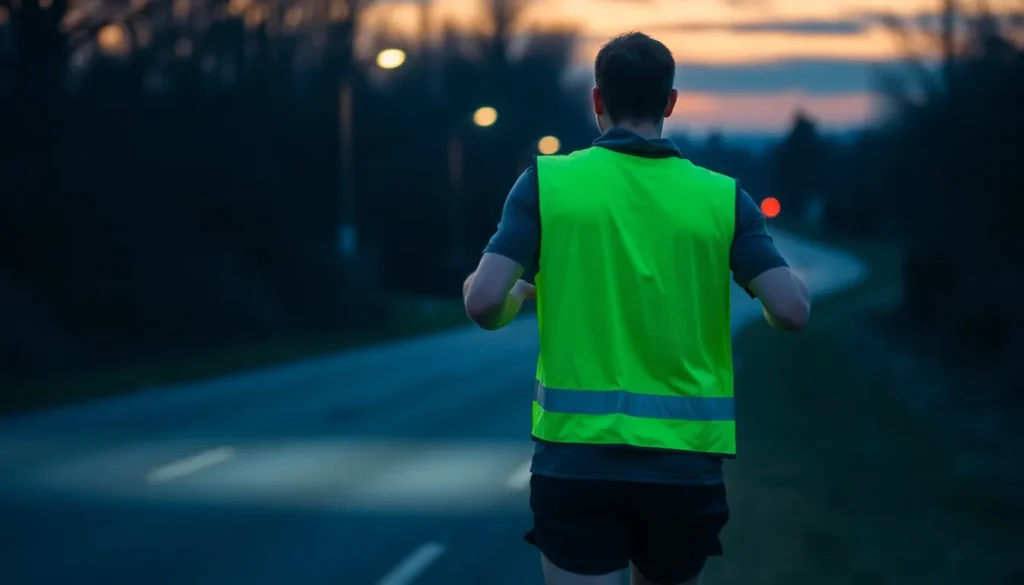
Reflective gear plays a crucial role in improving visibility for individuals engaged in outdoor activities during low-light conditions. This kind of clothing not only boosts safety but also promotes awareness among nearby motorists and pedestrians.
Enhancing Visibility
Reflective gear enhances visibility significantly. It utilizes high-visibility materials that reflect light, making the wearer stand out in darkness. For example, joggers wearing reflective vests are 70% more visible to drivers at nighttime compared to those without such gear. This boost in visibility can reduce the risk of accidents, as drivers can identify pedestrians and cyclists from a distance. Furthermore, reflective gear is essential in various settings, whether on public roads or construction sites.
Safety Benefits
Safety benefits of reflective gear are substantial. It decreases the likelihood of accidents occurring in low-light environments. Studies indicate that wearing reflective clothing reduces the risk of injury by nearly 50% for outdoor workers who face potential hazards. In addition to visibility, reflective gear often incorporates fluorescent colors that increase awareness during the day. As a result, individuals wearing this gear not only protect themselves but also contribute to safer surroundings for everyone.
Types Of Reflective Gear
Reflective gear includes various clothing items and accessories designed to enhance visibility in low-light conditions. This section explores the two main types of reflective gear: clothing and accessories.
Clothing
Reflective clothing plays a crucial role in safety for outdoor activities. Common clothing items include:
- Vests: Lightweight and easily visible, reflective vests are popular among joggers and cyclists. They often feature full coverage with reflective strips to enhance visibility from multiple angles.
- Jackets: Reflective jackets provide warmth and protection while ensuring the wearer remains visible. These jackets combine reflective materials with weather-resistant fabrics, making them suitable for various conditions.
- Shirts and Pants: Many athletic brands offer shirts and pants with built-in reflective elements. These items allow for unrestricted movement while increasing safety during evening runs or commutes.
- Hats: Reflective hats provide additional visibility while protecting the head from the elements. Some models include reflective bands or fabrics for added safety.
Accessories
Reflective accessories complement clothing and boost visibility even further. Key accessory types include:
- Arm and Leg Bands: Adjustable bands that fit snugly around arms or legs. These bands are lightweight and designed to reflect light, making them ideal for joggers and cyclists.
- Backpacks and Bags: Reflective elements on backpacks enhance visibility for commuters and travelers. Reflective materials integrated into the bag’s design ensure that wearers remain noticeable even when carrying personal items.
- Shoes: Some shoes incorporate reflective materials on the heels or sides. These shoes not only provide comfort but also contribute to overall safety during outdoor activities.
- Headlamps and Lights: Portable lights that can be attached to clothing or bags increase visibility. These items illuminate surroundings while carrying reflective components to attract attention.
Incorporating both clothing and accessories provides comprehensive visibility, significantly improving safety during night-time activities.
How To Choose The Right Reflective Gear
Selecting the right reflective gear ensures optimal visibility and safety during low-light conditions. Various factors influence this choice, and avoiding common mistakes enhances effectiveness.
Factors To Consider
- Visibility Level: Evaluate the reflective material’s brightness. Look for gear with high retroreflectivity, ensuring maximum visibility under headlights.
- Type of Activity: Consider activity-specific gear. Joggers benefit from lightweight vests, while cyclists may require jackets or bands for greater mobility.
- Fit and Comfort: Choose items that fit well and allow freedom of movement. Ill-fitting gear may hinder performance and reduce safety.
- Weather Resistance: Assess material durability. Waterproof or water-resistant gear offers protection against rain and wind, essential for outdoor conditions.
- Visibility in Daylight: Select gear with fluorescent colors for daytime use. Bright colors enhance visibility during daylight hours, making the wearer more noticeable.
- Compliance with Standards: Check for compliance with safety standards, such as ANSI/ISEA 107. This ensures that gear meets established visibility guidelines.
- Additional Features: Seek reflective gear with added features like pockets or zippers. Practical functions improve usability without sacrificing safety.
Common Mistakes To Avoid
- Choosing Inadequate Size: Avoid selecting reflective gear based solely on style. Size must facilitate optimal movement and comfort to ensure safety.
- Neglecting Layering Options: Don’t overlook layering. For colder conditions, wear reflective gear over other clothing to maintain warmth while ensuring visibility.
- Ignoring Maintenance Requirements: Avoid ignoring care instructions. Proper washing and drying extend the lifespan of reflective properties.
- Relying Solely on Reflective Gear: Don’t depend only on gear for visibility. Use other safety measures, such as lighting for bikes or headlamps for walkers.
- Overlooking Accessories: Neglecting to incorporate accessories can weaken overall visibility. Use bands, hats, or bags to enhance safety.
- Assuming All Gear is Equal: Avoid the misconception that all reflective gear offers the same protection. Research brands and materials to ensure effectiveness.
- Underestimating Dusk and Dawn Conditions: Don’t wait for darkness to wear reflective gear. Visibility decreases significantly at dusk and dawn, necessitating use during these times.
Care And Maintenance Of Reflective Gear
Caring for reflective gear ensures longevity and optimal performance. Proper maintenance helps retain the visibility features that are crucial for safety.
- Washing: Hand wash or use a gentle cycle on a washing machine. Use mild detergent without fabric softeners, which can damage the reflective material. Air-dry the gear away from direct sunlight to prevent degradation.
- Storage: Store reflective gear in a cool, dry place. Avoid folding gear in ways that crease reflective surfaces. Hanging gear maintains its shape and ensures all reflective areas stay functional.
- Inspection: Regularly inspect reflective gear for wear and tear. Check for damaged seams, peeling reflective strips, or fading colors. Replace gear showing significant signs of damage to maintain safety.
- Drying: Never use a dryer for reflective clothing as heat can ruin the reflective materials. Always choose air drying over machine drying to preserve the integrity of the gear.
- Repair: Address minor damages promptly. Use fabric adhesive for small tears. For extensive damage, consider professional repair services to ensure safety features remain intact.
By following these care and maintenance practices, reflective gear retains effectiveness and ensures optimal safety while engaging in outdoor activities.
Reflective gear plays a crucial role in enhancing safety during nighttime activities. Its ability to improve visibility can significantly reduce the risk of accidents for joggers cyclists and outdoor workers. By choosing the right gear and maintaining it properly individuals can ensure they remain visible and safe in low-light conditions.
With advancements in design and technology reflective gear not only meets safety standards but also offers comfort and style. Incorporating both clothing and accessories allows for comprehensive visibility making outdoor activities safer for everyone. Prioritizing reflective gear is a smart decision for anyone who values their safety while enjoying the outdoors after dark.