

Outerwear is more than just a seasonal necessity; it’s a fashion statement that reflects personal style and functionality. As temperatures drop, the right outerwear can transform an outfit while providing essential warmth and protection. From sleek trench coats to cozy puffer jackets, the options are endless, catering to diverse tastes and climates.
In today’s fashion landscape, outerwear plays a crucial role in completing a look. It not only shields against the elements but also showcases trends and innovations in materials and design. Understanding the various types and their unique benefits helps individuals make informed choices that enhance their wardrobe and lifestyle. Whether dressing for a casual outing or a formal event, the right outerwear elevates any ensemble.
Overview of Outerwear
Outerwear consists of garments designed to be worn over inner clothing, providing warmth and protection from the elements. Various styles, including trench coats, puffer jackets, bombers, and parkas, cater to diverse fashion preferences and climate conditions. Each type of outerwear serves a specific purpose, whether for insulation, waterproofing, or casual wear.
Trench coats offer elegance and style, often made from water-resistant materials. Puffer jackets deliver outstanding insulation, perfect for extremely cold temperatures, while maintaining a modern aesthetic. Bomber jackets add a sporty touch and versatility for day-to-day wear. Parkas feature extended lengths for additional warmth, typically including insulated hoods.
Material choices for outerwear vary widely, including wool, down, synthetic fabrics, and waterproof technology. This range enables consumers to select pieces that cater to their needs, preferences, and activities. Accessorizing with outerwear allows individuals to express their personal style, enhance their outfits, and adapt to trends.
Current innovations in outerwear design focus on sustainability, incorporating recycled materials and eco-friendly manufacturing processes. The evolution of outerwear emphasizes durability and functionality without sacrificing style. As fashion continues to evolve, consumers find an expanded selection of outerwear options suitable for every occasion and personal taste.
Types of Outerwear

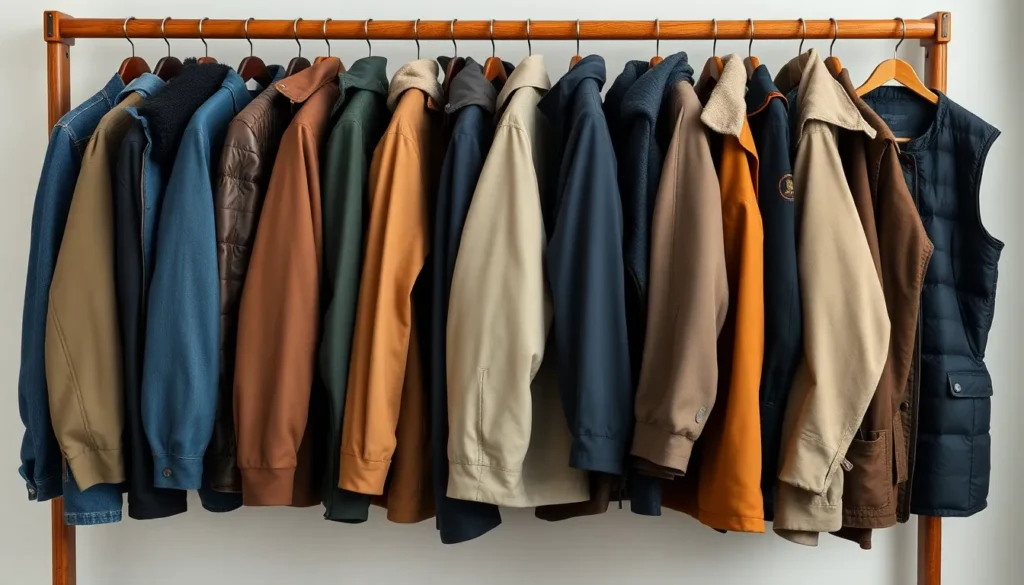
Outerwear encompasses a variety of styles designed to provide protection and elevate personal style. Below are key categories of outerwear found in today’s wardrobes.
Jackets
Jackets serve as versatile outerwear pieces suitable for varying conditions. Options include:
- Denim Jackets: Classic, durable, and stylish, perfect for casual looks.
- Leather Jackets: Timeless and edgy, ideal for adding a rugged touch to any outfit.
- Bomber Jackets: Defined by their snug fit and elastic cuffs, great for cooler days.
- Windbreakers: Lightweight and packable, effective for light rain and wind protection.
- Puffer Jackets: Insulated and often water-resistant, designed for maximum warmth.
Coats
Coats offer more extensive coverage and insulation than jackets. Popular types include:
- Trench Coats: Long and stylish, made for layering over formal attire, often waterproof.
- Peacoats: Double-breasted and tailored, typically featuring wool for warmth.
- Overcoats: Long and structured, ideal for cold climates and formal occasions.
- Parks: Insulated with a hood, often designed for harsh winter conditions.
- Mackintoshes: Classic rubberized coats that provide water resistance and retro flair.
Vests
- Puffer Vests: Lightweight and insulated, perfect for transitional weather.
- Fleece Vests: Soft and breathable, ideal for casual layering over shirts.
- Suit Vests: Tailored and often part of formal attire, adding elegance to suits.
- Work Vests: Functional with multiple pockets, designed for practical use in various jobs.
- Down Vests: Filled with down feathers, providing exceptional insulation for chilly conditions.
Materials Used in Outerwear
Outerwear incorporates a variety of materials that enhance performance and style. Understanding these materials assists consumers in making informed choices for their wardrobe needs.
Common Fabrics
- Wool: This natural fiber offers excellent insulation and moisture-wicking properties. Wool garments retain warmth even when wet, making them suitable for chilly climates.
- Down: Lightweight and compressible, down insulation provides superior warmth-to-weight ratio. It’s commonly found in jackets and coats designed for extreme temperatures.
- Fleece: Known for its soft texture and thermal efficiency, fleece is breathable and quick-drying. Common in casual jackets, it provides comfort and warmth.
- Cotton: Lightweight and breathable, cotton is ideal for milder weather. Often seen in casual jackets and vests, it provides comfort but lacks insulation in colder temperatures.
- Synthetic Fabrics: Materials like polyester and nylon offer durability, water resistance, and quick-drying properties. They’re frequently used in weather-resistant outerwear.
- Leather: This timeless material combines style and durability. Leather jackets provide a classic look and can offer decent wind resistance.
Innovative Technologies
- Gore-Tex: This technology provides waterproof and breathable properties, allowing moisture to escape while keeping the user dry. It’s essential for active outdoor wear.
- Thermo-Fibre: Utilizing advanced thermal insulation, this technology ensures warmth without added bulk, enhancing mobility in outerwear.
- Recycled Materials: Increasingly, brands use recycled plastics and fabrics, promoting sustainable practices. These materials minimize environmental impact while maintaining quality.
- Windproof Layers: These fabrics block wind while remaining lightweight, making them ideal for jackets designed for high-activity situations.
- Smart Fabrics: Integrating technology, smart fabrics monitor temperature and adjust insulation levels accordingly, enhancing comfort without manual adjustments.
Choosing the Right Outerwear
Selecting appropriate outerwear hinges on understanding personal requirements and external conditions. Key factors include climate, style, and functionality.
Climate Considerations
Climate significantly impacts outerwear choices. For colder climates, insulated options like down jackets and parkas offer essential warmth. In wet environments, waterproof materials such as Gore-Tex provide protection against rain and wind. During transitional seasons, lighter layers, including denim jackets and windbreakers, allow for adaptability as temperatures fluctuate. Those living in moderate climates might prefer versatile items like trench coats, capable of layering for different conditions.
Style Preferences
Style preferences greatly influence outerwear selections. Casual enthusiasts may favor bombers or denim jackets for a relaxed look. Formal settings often call for tailored coats such as overcoats or trench coats that elevate outfits. Trendsetters might opt for puffer jackets, showcasing bold colors and unique designs. Additionally, vests serve as excellent layering pieces, complementing a range of styles from sporty to chic. Overall, personal aesthetic and lifestyle determine the outerwear that enhances an individual’s wardrobe.
Care and Maintenance of Outerwear
Caring for outerwear extends its lifespan and maintains its appearance. Proper maintenance includes cleaning, storage, and repairs.
Cleaning Guidelines
- Follow Labels: Check care labels for specific cleaning instructions. Many outerwear items require dry cleaning, while others are machine washable.
- Use Appropriate Detergents: Choose mild detergents designed for specific fabrics. Avoid bleach and fabric softeners that can damage outerwear materials.
- Wash Separately: Wash outerwear items separately from other clothing to avoid abrasion or damage.
- Air Dry: Opt for air drying whenever possible. Heat from dryers can cause shrinkage or damage insulation in materials.
Storage Tips
- Clean Before Storing: Ensure outerwear is clean before putting it away for the season. Any stains can set over time.
- Use Appropriate Hangers: Use padded or wide hangers to maintain shape. Avoid hanging heavy coats on thin hangers, which can cause stretching.
- Store in a Cool, Dry Place: Keep outerwear away from direct sunlight and moisture to prevent mildew and fading.
- Utilize Garment Bags: For long-term storage, consider garment bags to protect outerwear from dust and pests.
Repair and Alteration
- Address Minor Repairs Promptly: Fix small tears or missing buttons right away to prevent further damage. Use fabric glue or hand stitching for quick fixes.
- Consult a Tailor: For major alterations or repairs, consult a professional tailor. This ensures proper adjustments and maintains the garment’s integrity.
- Replace Zippers and Fasteners: If zippers malfunction or fasteners break, replace them when needed to ensure functionality.
Maintenance of Specific Materials
- Wool: Use natural fiber brushes to remove lint and dirt. Avoid excessive washing, as it can lead to pilling.
- Down: Fluff down jackets periodically to restore insulation. Use a front-loading washer and dryer to maintain loft.
- Synthetic Fabrics: Rinse thoroughly after exposure to saltwater or chlorine. This prevents degradation of the fabric.
- Leather: Clean with a damp cloth and apply leather conditioner biannually to maintain suppleness.
Implementing these care and maintenance practices helps ensure outerwear stays functional and stylish across various seasons.